
Bird mesh has gone from optional extra to essential on virtually every domestic and commercial solar install. The fixing method you choose determines whether it lasts 25 years or falls off in two. Here’s the full picture.
How we got here
A few years ago, bird mesh installation was straightforward. You ran 200mm mesh around the panel perimeter and fixed it with machine screws. Simple, reliable, done.
Then two things happened that broke everything.
First, solar panel manufacturers started producing panels with different frame widths — wide frame and narrow frame — on the same job. The old zip tie and metal tie fixing methods that worked fine with uniform frames suddenly became unreliable or completely unusable depending on which panels you were fitting.
Second — and this one matters — manufacturers announced that screwing directly into the panel frame voids the warranty. Overnight, the most secure fixing method was off the table.
“Screwing into the panel frame voids the warranty. Overnight, the most secure fixing method was off the table.”
The industry landed on plastic clips. That’s a problem.
The market’s answer was the friction-fit plastic C-clip. Snap it onto the panel frame, thread the mesh through, job done. No screws, no warranty issues.
Anyone with a basic understanding of physics can see why this isn’t a long-term solution.
Plastic degrades under UV exposure. A friction fit has no mechanical security — it relies entirely on the clip maintaining its shape under sustained heat, cold, and wind loading. Quality control across the industry is all over the place. Some clips snap when dropped on the ground. Some fall off before you’ve finished the install. Some loosen within a single winter.
You’re fitting something expected to last 25 years with a component that has no guarantee of lasting five.
How Renew approached it differently
We’ve been through three generations of bird mesh fixing, each one built around a specific problem the previous solution couldn’t solve.
1
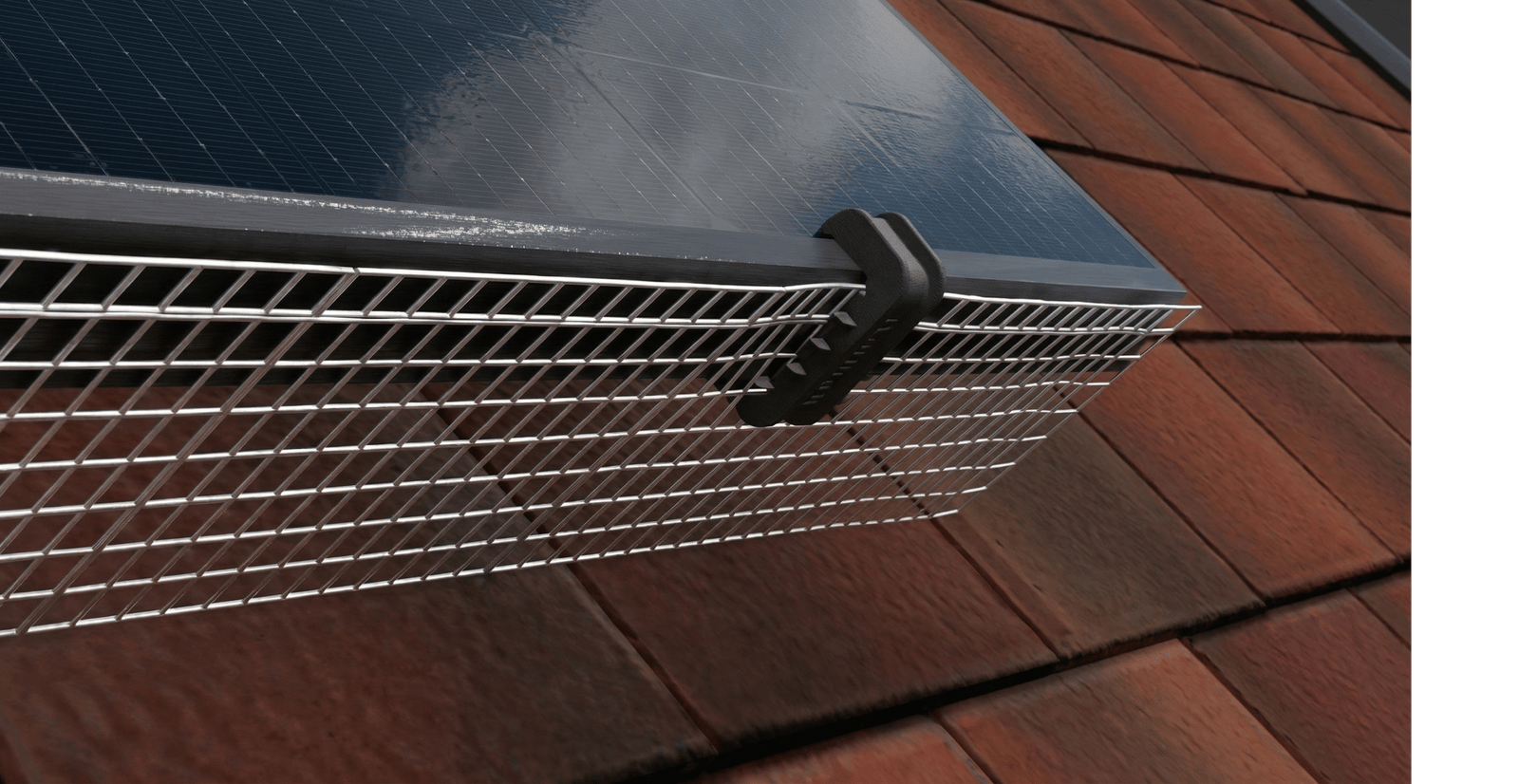
Reversible clip gen 1
When panels started shipping with different frame widths, we developed a reversible clip that works with both wide and narrow frames. No adapters, no separate SKUs — flip it over and it fits. The market didn’t immediately recognise the difference, but the engineering was sound.
2
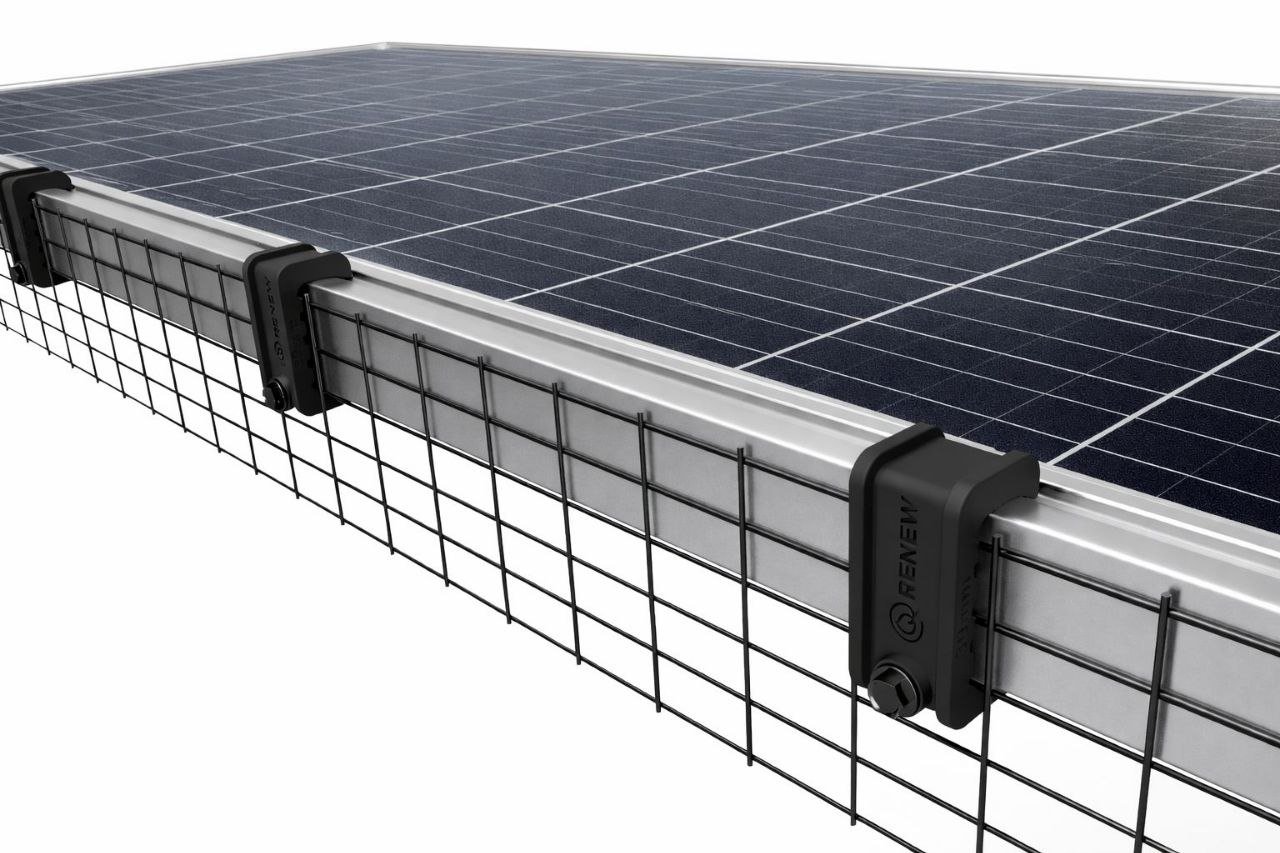
C-Clip Mark II gen 2
We took the best UV-resistant plastic on the market and engineered a clip that clicks onto the frame with a positive, satisfying engagement — you know it’s secure. Then we added the option of a metal screw that fixes into the base of the clip, not the panel frame. Mechanical security. No warranty implications. Fewer clips needed per run because each one actually holds.
3
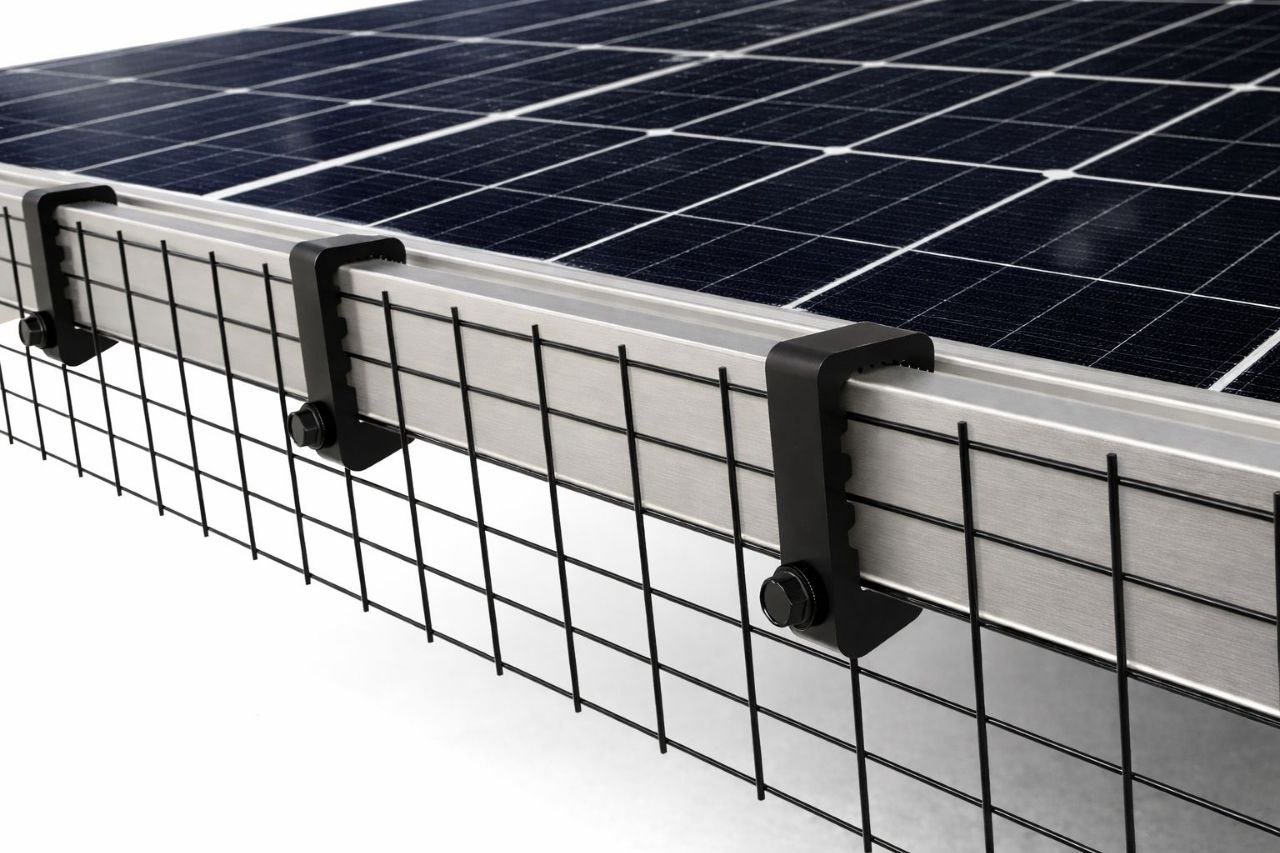
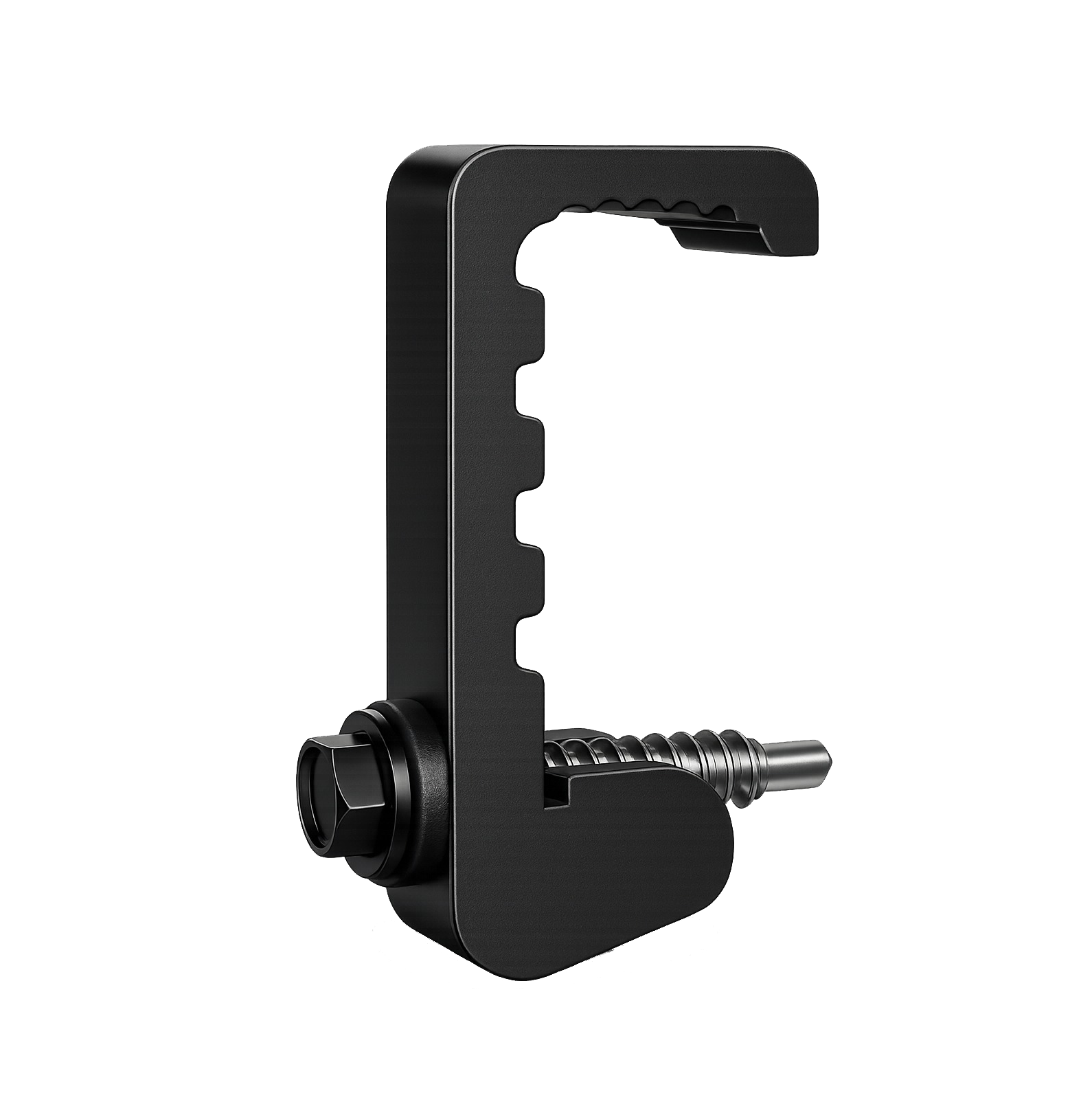
G-Clip gen 3
The full solution. Aluminium construction — no plastic, no UV degradation, no friction-fit compromise. A mechanical screw fixing that doesn’t touch the panel frame. Guaranteed for a minimum of 12 years, though realistically this thing is not coming off. If you’re fitting mesh and you want to do it once and forget about it, this is the product.
How the clips compare
The mesh range — built around how installers actually work
We listened to installers telling us they were cutting 200mm rolls down to 100mm or 150mm on site — wasting time, exposing cut edges, and ending up with an inconsistent finish. So we stopped making them do that.
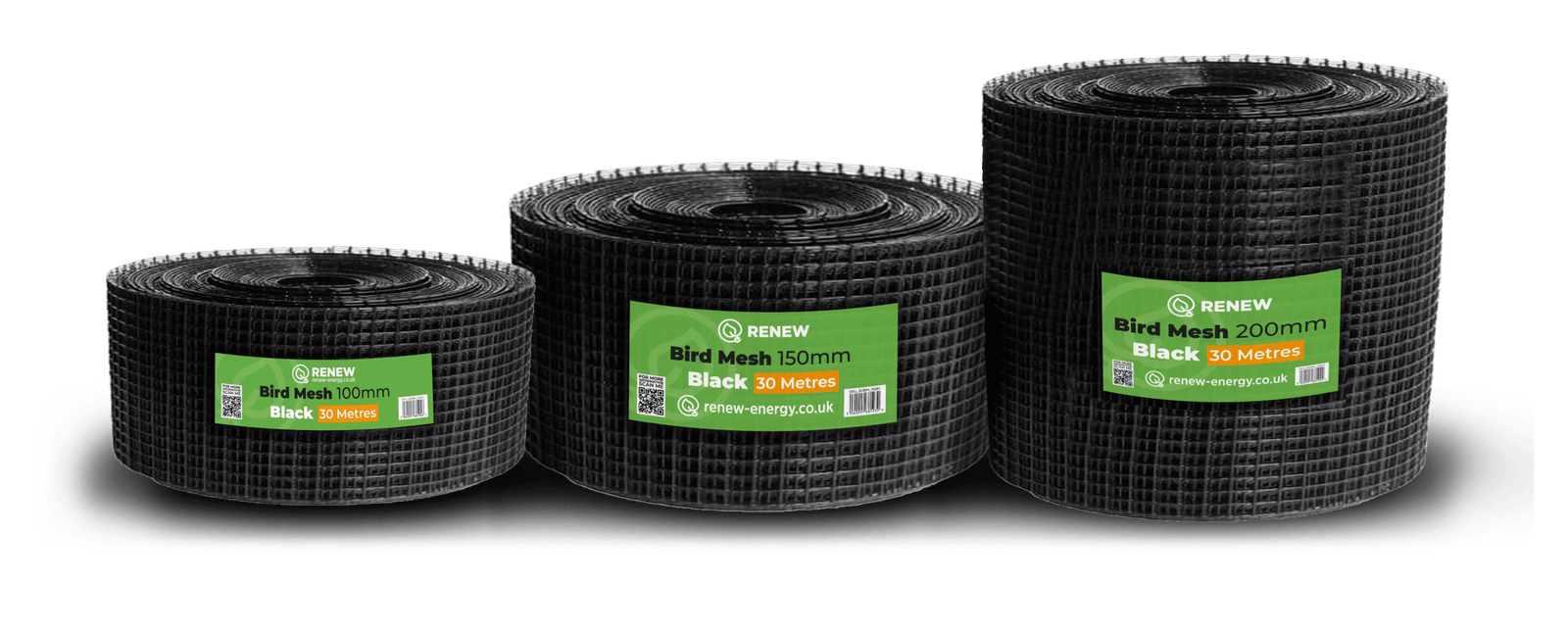
No cutting required. Faster installs, cleaner finish, no wasted material. The 200mm heavy duty roll is specifically designed for use with the G-Clip system.